
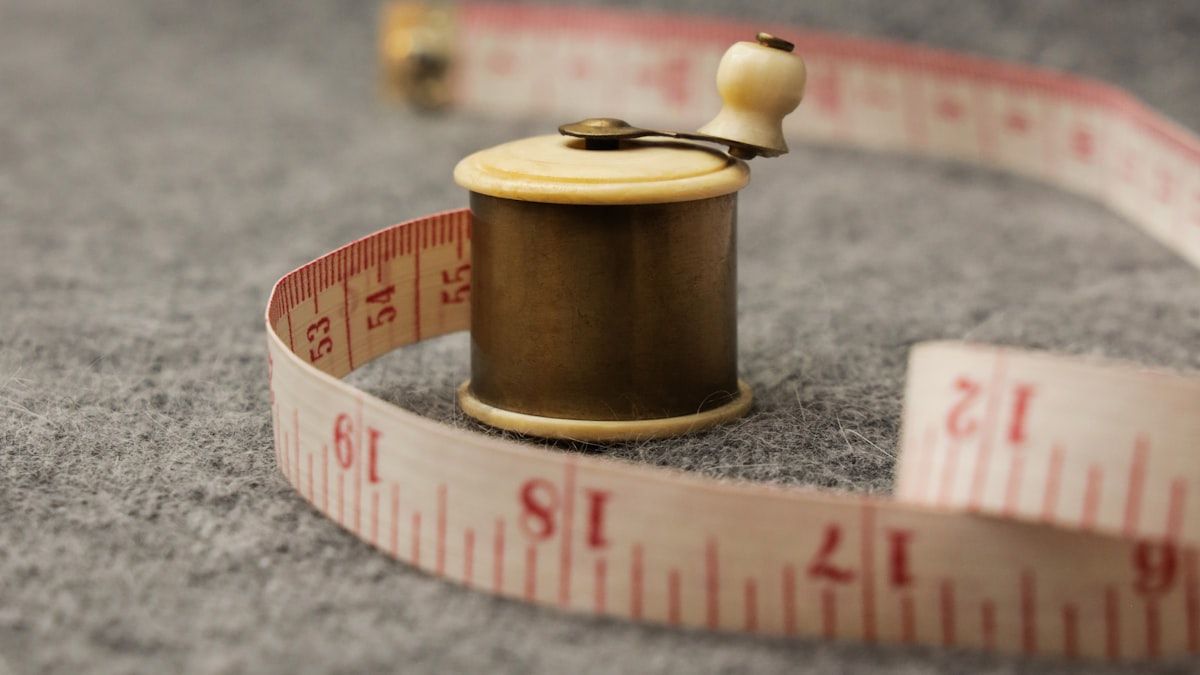
A support product that doesn’t work generates one of two conclusions. Either this kind of thing is a gimmick, or the brand is junk. There’s a third possibility almost nobody reaches for, and it’s the most likely one: it’s the wrong size, and it was never going to work.
The failure is quiet, which is why it goes unnoticed. Nothing breaks. The brace goes on, feels vaguely tight, does not do much, and gets left in a drawer next to the resistance bands. Two weeks later it’s a one-star review saying the product is useless, written by somebody who bought a large because they wear a large.
Table of Contents
Shirt Size Is Measuring the Wrong Part of You
Apparel sizing is built around your chest and shoulders. A lumbar brace is not worn on your chest. It’s worn at the waist and low back, and those two measurements diverge enormously between two people who wear identically sized shirts. A lean runner and a heavier lifter can both wear a large and be four inches apart at the waist.
Think about what happens when the guess runs big. The brace closes with the panel sitting off-center and the straps pulling at a shallow angle, so tightening it produces surface pressure across the skin instead of the structured compression it was built to deliver. It feels like it’s doing something. It isn’t.
Too small is worse in a different way. It fastens, feels aggressively tight, restricts breathing at the bottom of the rib cage, and gets abandoned inside a day because the wearer concludes that braces are simply uncomfortable to wear.
Neither person concludes they mis-sized. They conclude the product doesn’t do anything.
Different Products, Different Numbers
There isn’t one measurement that governs everything, which is part of why people give up and guess.
That is the hidden cost of a catalog organized by body area. It is the right way to organize the products, because a knee sleeve and a cervical collar genuinely have nothing to do with each other. But it means the sizing question resets every time you move to a new area, and a shopper who got it right on the lumbar brace has no reason to think the belt they add to the cart works differently.
For anything worn at the lower back, the number is waist circumference measured where the product actually sits, usually lower than where your trousers sit. For a posture trainer or an upper-back band, it’s the chest, because the load path runs across the shoulders. A pelvic or sacroiliac belt is different again: it rides below the waist across the hips, so a waist number will send you a size too small. And for a neck support, none of those tells you anything useful at all.
So the honest version of a size chart isn’t really a chart. It’s a question about which body area the product is for, followed by the one measurement that governs it. That’s the entire method. It fails mainly because a tape measure is a small piece of friction placed directly in front of a purchase, and friction in front of a purchase is precisely what storefronts are built to remove.
Some companies handle it by making the sizing step the shopping step. Valorem’s seven-question fit tool asks where the strain sits, when it’s worst, what you’re trying to do, and your measurement range, then returns a specific product at a specific size rather than a category to browse. Whether you use that or a tape measure and a printed chart, the sequence is what matters: measure first, then buy.
Why This Mistake Is Expensive
Not in dollars, particularly. A brace runs $55 to $89 depending on which part of the body it is built for. Nobody files a complaint over that.
It’s expensive because it often can’t be undone. Worn wearable products are commonly non-returnable for hygiene reasons, and that policy is entirely reasonable, but it means a size guess is close to final. You don’t get the casual exchange that shoes or shirts allow. You get one attempt.
And the larger cost is the conclusion drawn afterward. Somebody spends $79, gets nothing from it, can’t send it back, and files the whole category under things that don’t work. They stop looking. Then they spend another two years managing desk strain with nothing at all, because one badly sized purchase settled the question on behalf of every product they’ll never try.
That’s a bad outcome from an entirely fixable error. The product was fine. The fit was wrong, and the fit is the part you control.
None of this requires expertise. It requires a tape measure, one honest number, and thirty seconds of willingness to slow down before checking out. That is a small ask standing in front of a purchase you may not be able to reverse, and it is the single highest-return thing you can do in this category.
Measure first. It takes less time than reading the reviews.